How a Humane Bill Gets Written in Texas
From a problem in a Dallas neighborhood to a vote at the Capitol in Austin, changing animal welfare law takes research, relationships and people willing to speak up.
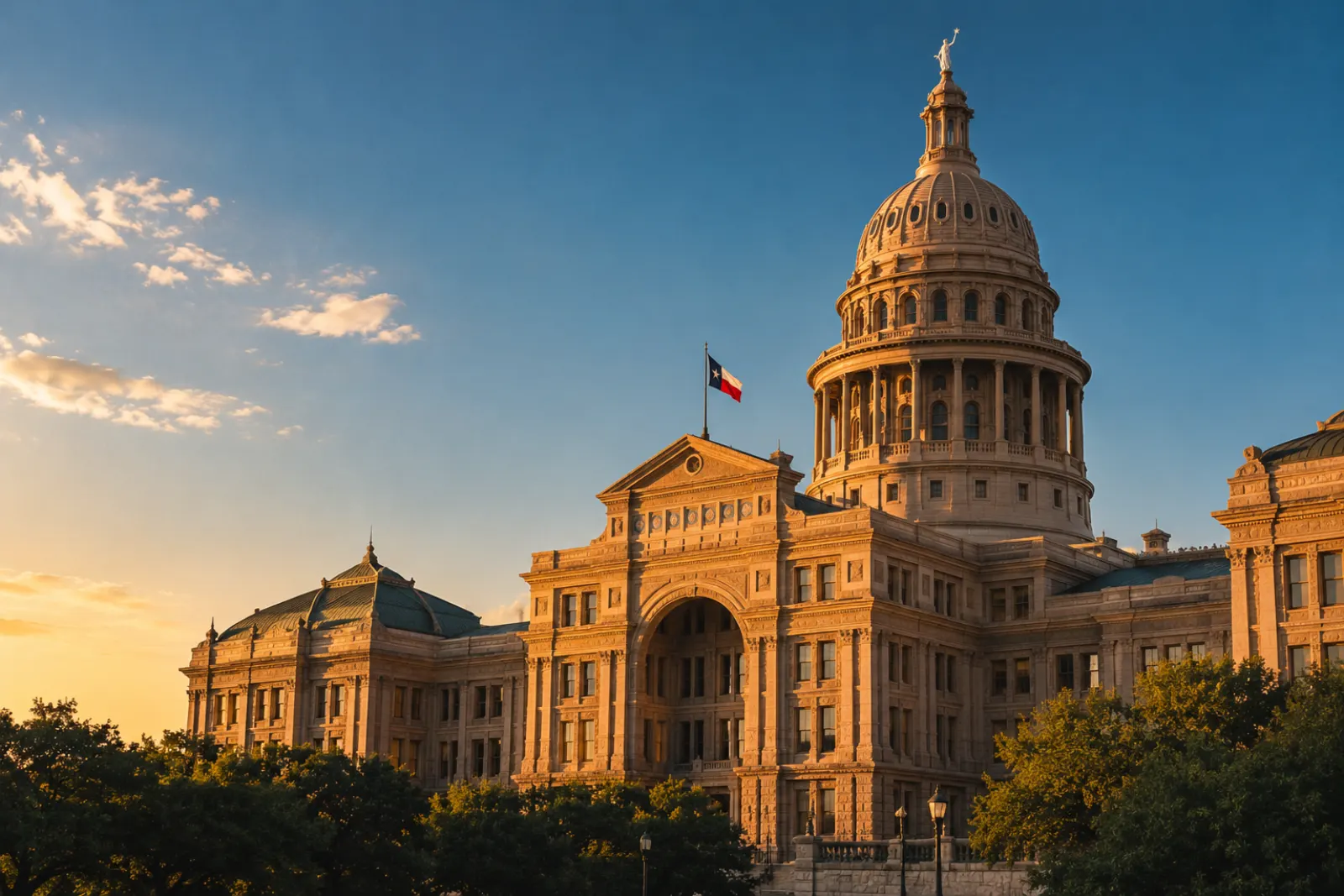
Animal welfare legislation often begins far from the Texas Capitol.
It may start when a Dallas resident reports repeated neglect. A shelter sees the same problem appearing again and again. An animal services officer discovers that existing rules make enforcement difficult. A veterinarian, rescue organization or community advocate recognizes a gap in the protections available to animals.
Those experiences can eventually become the foundation for new law.
It starts with a problem worth solving
Before anyone proposes legislation, advocates need to understand the problem.
That means listening to the people closest to it: residents, shelters, rescue organizations, veterinarians, animal control professionals, law enforcement and others working directly with animals.
In Dallas, many animal-related rules are addressed locally through Chapter 7 of the Dallas City Code, which covers areas including animal care and treatment, city shelters, dangerous and aggressive dogs, regulated animals and enforcement.
But some problems require change at the state level. That’s when the conversation moves toward Austin.
Turning an idea into legislation
Anyone can bring an idea for a new Texas law to a state legislator. A representative or senator can then research the issue and work with legislative staff to develop the idea into a bill.
For animal welfare legislation, that research matters.
A proposal needs to do more than express a good intention. It needs to define what should change, determine how the law could be enforced and consider how it would affect communities across a state as large and diverse as Texas.
That is where coalitions become important.
Animal welfare organizations can bring together advocates, veterinarians, shelters, prosecutors, law enforcement, local governments and other stakeholders to help lawmakers understand both the problem and the practical consequences of proposed legislation.
Then the bill begins its journey through Austin
Once introduced, a Texas bill is referred to a legislative committee. The committee may hold a public hearing, receive testimony and consider changes before deciding whether the legislation should advance.
This is one of the most important opportunities for Texans to participate.
People with firsthand experience can explain why the issue matters. Experts can provide data and professional perspectives. Organizations can help lawmakers understand how proposed language might work in real communities.
If the bill advances, it must ultimately pass both the Texas House and Senate before going to the governor, who may sign it, veto it or allow it to become law without a signature.
Dallas voices belong in Austin
The distance between Dallas and the Capitol is about more than geography.
Lawmakers in Austin cannot see every animal welfare challenge occurring in communities across Texas. They depend on constituents, local organizations and subject-matter experts to help them understand where protections are working and where they are falling short.
That is why advocacy matters.
A humane law may ultimately be written in Austin, but the reason for writing it often begins somewhere else entirely.
Sometimes, it begins right here at home.
Lone Star Humane Association works to bring the experiences of Texas animals and communities into the conversations where better policy begins.